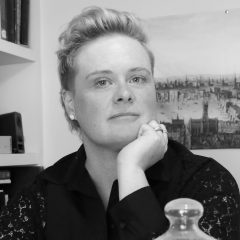

According to my bio, I’ve written one book.
But if you actually bother to go through all the myriad files within files squirreled away in the recesses of my laptop, it amounts to something more like four or five books. Four or five books, some weighing-in at over 400 pages, just to whittle it all down to ONE.
This is not as unusual as you might imagine. Depending on what kind of writer you are, what kind of book you’re writing, and what kind of support is available to you, the sum total of words you generate towards completing a novel might be thousands or hundreds of thousands more than the finished product. Sometimes you fall down rabbit-holes, and sometimes…
Sometimes you have to go a long distance out of the way in order to come back a short distance correctly.
Edward Albee

Throughout the process of writing Lightborne, I wrote a hefty historical fiction novel centered on William Shakespeare; tossed it out, then wrote something quite ambitious, a novel which alternated between the 16th, 17th, and 21st centuries; trashed that, then wrote another novel, alternating between just two time-periods this time – and oh yes let’s not forget the TWO MORE hist-fic novels I wrote after that, by which time Shakespeare had long since disappeared from the book (except in a blink-and-you’ll-miss-it cameo), and Christopher Marlowe was the main character. This isn’t even counting the numerous revisions that each of those earlier novels went through before being unceremoniously scrapped and scavenged for parts.
So what was it that finally got me to “done?”
Depends on how you define “done.” The thing about writing a book is that the goalposts are always moving. Even as I write this, I know my book will likely go through still more changes before it (fingers crossed) ends up on a shelf at Waterstones or Barnes & Noble, as even a publication deal is rarely the end of revising. Another quote springs to mind:
A painting is never finished. It simply stops in interesting places.
Paul Gardner
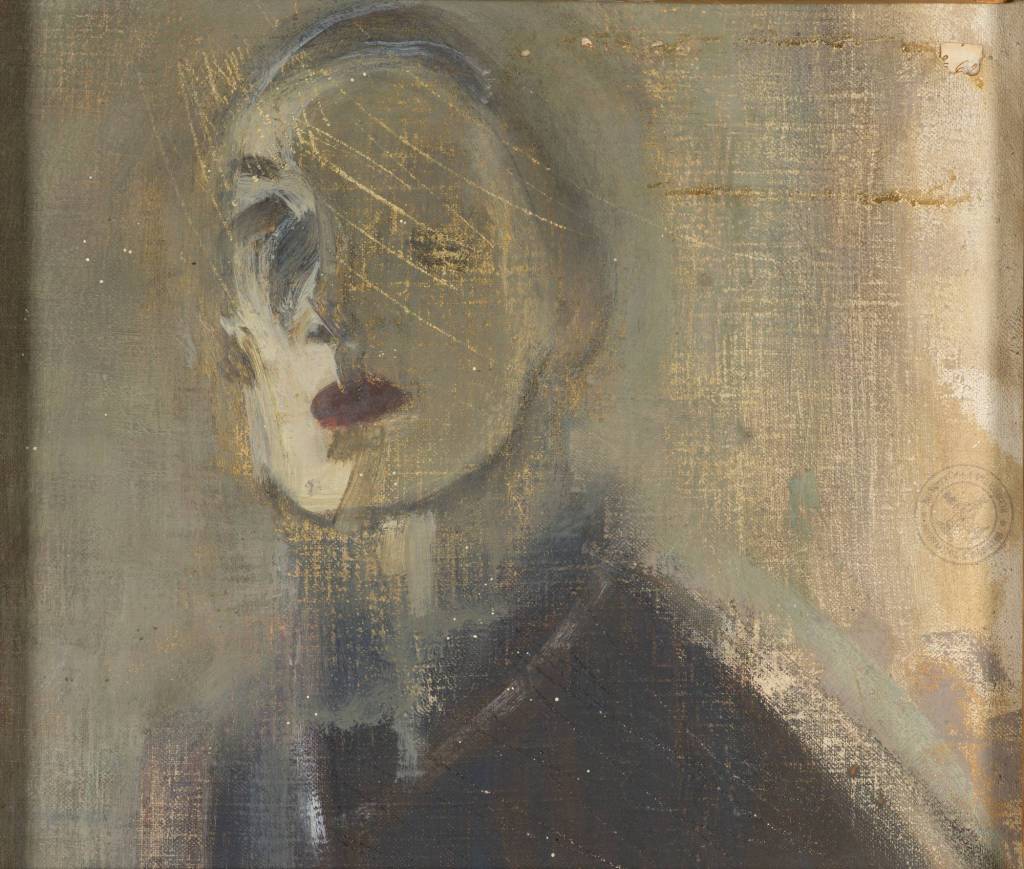
Painting and literature may seem like very different mediums, but all art shares some DNA in the process of its creation. Anyone trying to make art goes through a trial of false starts, erasures, making, and remaking. In all art there is is a discovery process, where at times you think you know where you are going only to find yourself going in circles, or occasionally, ending up in interesting places you’d no idea were there.
I often use maps as a metaphor for the writing process, because in my experience there are many roads through a novel, with many possible endings. As in real life, the most interesting places are almost never found at the end of a single, straight path, with no diversions, bushwhacking, or backtracking involved. The way through the landscape sometimes requires going all the way back to zero, and then setting out again.
I never would have gotten this far if it hadn’t been for good beta-readers, workshop partners, and instructors showing me that there was more beyond the horizon I had previously set for myself. Draft after draft, I kept arriving at interesting places only to discover even more interesting places a little further down the road. The “finished” novel, as it stands, doesn’t cover even half the territory I mapped out over all those related but different books, all those out-of-the-way journeys I had to take in order to come back to the right place by the right route. But, like a painting, my book eventually found a view to put in its frame – not the whole view, but an interesting one.
My favorite novels always feel like this: landscape paintings with more going on over the horizon, or in the distant city, or the harbor, or even in the sky. The reader will never see it all, never know it all, but the fact of it being there, just outside the frame, makes all the difference.

 HESSE PHILLIPS